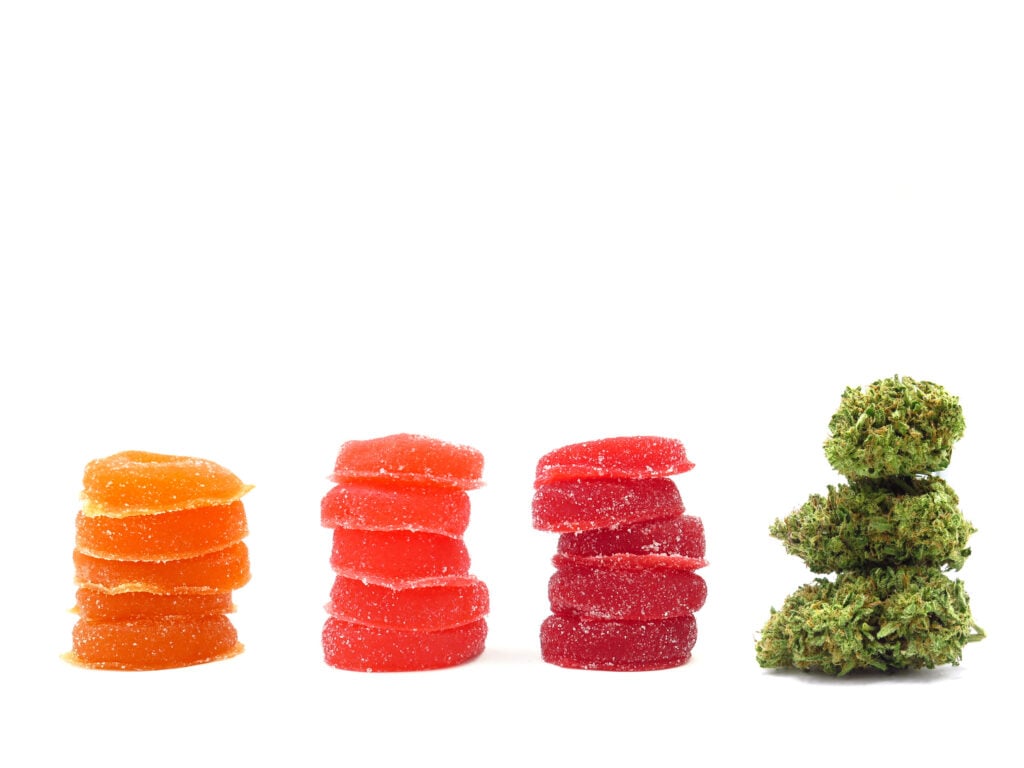
Quick summary: THC percentage shows how concentrated THC is in cannabis flower, but it doesn’t predict exactly how a product will make you feel. Research on regular consumers found that higher-THC products didn’t always produce stronger effects. Lab tests suggest label percentages may not be exact. When choosing cannabis, consider product format, how much you plan to use, and how you’ve responded to similar products.
Is a Higher THC Percentage Always Better?
If you’ve ever compared an 18% THC flower with a 28% THC flower and assumed the higher number meant a better experience, you’re not alone. THC percentages are easy to compare, but they can’t tell you exactly how a product will make you feel.
Overall, THC percentages matter, but they’re only one factor to consider.
Key Takeaways
- THC percentage measures concentration, not dose. How much you use also determines how much THC you take in.
- Higher THC didn’t consistently mean stronger effects for experienced users, but those findings may not apply to people new to cannabis.
- Label percentages are best treated as estimates, since one study found flower often tested below its labeled THC.
- Flower and concentrates list THC as a percentage, while edibles list it in milligrams per serving.
What Does THC Percentage Tell You About Cannabis Flower?
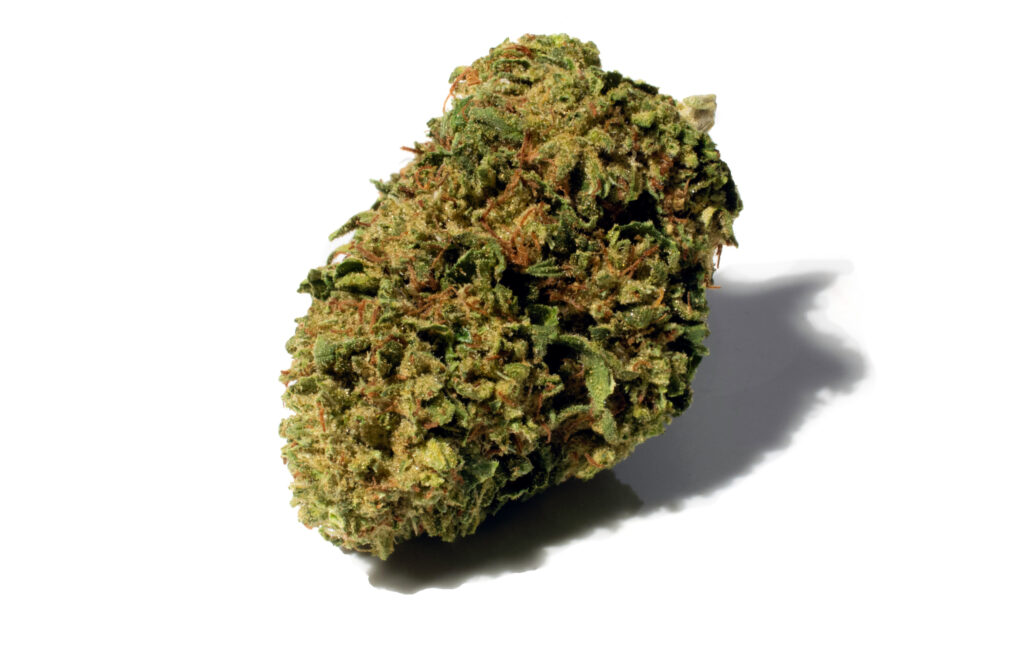
For cannabis flower, THC percentage describes its THC concentration by dry weight. A higher percentage means more THC per gram of flower. Concentration and dose are different. The amount of flower you use also affects how much THC you consume.
The percentage doesn’t tell you about the flower’s aroma, freshness, or other cannabinoids. It also doesn’t account for things like bud size.
If size is a factor for you, Pure Options’ article on the potency of small cannabis buds explores the question in detail.
Does a Higher THC Percentage Mean a Stronger High?
Not necessarily, at least for experienced users. In a 2020 study published in JAMA Psychiatry, regular cannabis users were assigned either 16% or 24% THC flower, or 70% or 90% THC concentrates. They used the products as they normally would while researchers measured self-reported intoxication, blood THC levels, memory, and balance. Within each product type, higher THC percentage was not linked to greater short-term intoxication or impairment on the measures tested.
The study had an important limitation. Participants had used cannabis before and chose how much to consume. Researchers suggested that some may have adjusted their use based on the product’s strength.
Ultimately, experience likely plays a role. A higher-potency product may not affect an experienced user the same way it would affect someone new to cannabis.
What Else Can Affect Your Experience?
Flower contains other cannabinoids and aromatic compounds called terpenes. Researchers are still investigating how these compounds interact with THC. In a small study, participants reported less anxiety and paranoia when inhaling a combination of d-limonene and THC than when inhaling THC alone. However, that finding does not mean a product’s terpene profile can reliably predict its effects.
Your previous experiences are useful when comparing products. If a particular format or amount worked well for you, that gives you a good starting point for discussing options with a budtender.
Are THC Percentages on Cannabis Labels Accurate?
Not always. A 2023 study of 23 flower samples from 10 Colorado dispensaries found that independently measured THC levels averaged 23.1% below the lowest values reported on product labels. About 70% of the samples tested more than 15% below their lowest labeled value.
This was a small study in one state, not a test of Michigan products. It cannot tell you whether a particular label is inaccurate. However, it shows why an exact-looking percentage may not be exact.
How Should You Compare THC When Shopping for Cannabis?
Start with the product format. Flower and concentrates commonly list THC as a percentage, while edibles list it in milligrams per serving. Read the measure that applies to your product. Then, think about how much you plan to use and how you’ve responded to similar products before.
For flower, you can also compare any available information about other cannabinoids, terpenes, and freshness. If you’re trying cannabis for the first time or switching formats, start with a small amount. Allow time to assess its effects before using more.
With edibles, check the THC amount per serving, since a package may contain multiple servings.